How to Looksmax for Men: A Safe, Practical Looksmaxxing Guide
A grounded guide to improving first impressions through grooming, skin care, haircut choices, clothing fit, posture, fitness basics, and better photos without extreme score-chasing.
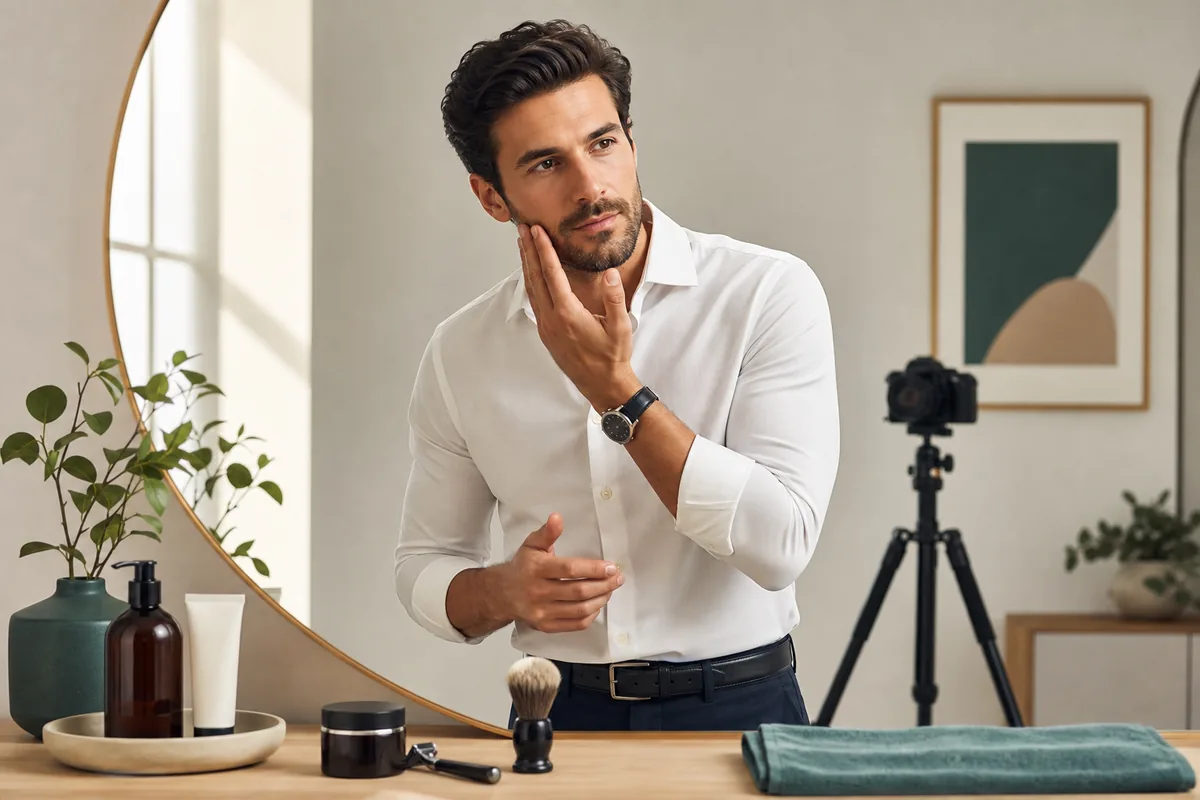
Written By
Clara Vale
Beauty technology writer focused on AI face analysis, photo feedback, and practical appearance topics.
Editorial Note
Updated on 2026-07-10 after Similarweb keyword checks for how to looksmax for men, how to looksmax, looksmaxxing guide, and looksmaxing methods.
The short answer
To looksmax safely, start with the controllable basics: a flattering haircut, consistent grooming, simple skin care, clothes that fit, better posture, enough sleep, regular exercise, and photos taken in clean light. These changes improve how your face and style are presented without pretending that one score defines you.
The useful version of looksmaxxing is practical self-presentation. It is not a promise that every feature can be changed, and it is not a reason to chase extreme procedures, risky supplements, or obsessive online rating loops. Use this guide as a checklist for appearance habits and photo feedback, then measure progress by real-life confidence and clearer images rather than by one number.
What does looksmaxxing mean?
Looksmaxxing means trying to improve how attractive or put-together you appear. Searchers usually want a concrete plan, not vague advice. The term is often used online by people comparing facial features, grooming, body composition, clothing, and photos. Some advice is harmless and useful; some advice becomes extreme, expensive, or emotionally unhealthy.
A safe looksmaxxing guide should separate presentation from identity. Presentation includes haircut, beard shape, skin clarity, clothing fit, posture, lighting, camera distance, and expression. Identity is much larger: personality, values, humor, kindness, voice, confidence, and chemistry. A better photo can help people notice you, but it does not define your worth.
For men, the highest-return changes are usually not dramatic. Clean hair shape, tidy facial hair, consistent sunscreen and basic skin care, clothes that fit the shoulders and waist, healthier sleep, and relaxed posture often change the first impression more than obsessing over one facial ratio.
That is why this page treats looksmaxxing as a practical appearance system. It helps you decide what to fix first, what to ignore, and when online scoring feedback stops being useful.
What a realistic looksmaxxing plan can include
- Grooming: Haircut shape, beard lines, eyebrows, nails, and simple daily neatness.
- Skin presentation: Gentle cleansing, moisturizer, sunscreen, and addressing irritation without overcomplicating the routine.
- Style and fit: Clothes that match your body, contrast level, lifestyle, and the impression you want to give.
- Fitness basics: Strength, posture, energy, and body composition habits that support health and presence.
- Photo quality: Lighting, camera distance, lens distortion, expression, crop, and background choices.
Safe looksmaxxing vs risky looksmaxxing
Safe looksmaxxing works with low-risk habits first. It asks: can your haircut frame your face better, can your skin look calmer, can your clothes fit better, can your posture and photos communicate more confidence? These changes are reversible, affordable, and usually useful even if you stop caring about scores.
Risky looksmaxxing starts when the goal becomes permanent self-ranking. Red flags include extreme diets, unverified supplements, nonmedical hormone advice, harsh facial rating communities, expensive procedures chosen from insecurity, or checking your score again and again after every small change.
The best page match for this keyword is therefore an informational guide, not a new upload tool. The site already has an attractiveness test and face rating pages. This page should teach the method, link to the tools for photo feedback, and keep strong safety boundaries.
For skin basics, the American Academy of Dermatology sunscreen guidance is a conservative source. For movement basics, CDC adult physical activity guidance.
| Area | Useful approach | Avoid |
|---|---|---|
| Hair | Find a cut that fits your face shape, hairline, density, and maintenance level. | Copying a celebrity cut without considering your hair type. |
| Skin | Start with gentle cleansing, moisturizer, sunscreen, and professional help for persistent issues. | Stacking harsh products or taking medication advice from forums. |
| Body | Build strength, posture, sleep, and energy with sustainable habits. | Extreme diets, dehydration, or supplement experiments. |
| Style | Improve fit, color, shoes, and grooming consistency. | Buying trends that do not match your body or lifestyle. |
| Photos | Use better light, distance, expression, and background. | Assuming one distorted selfie proves a permanent flaw. |
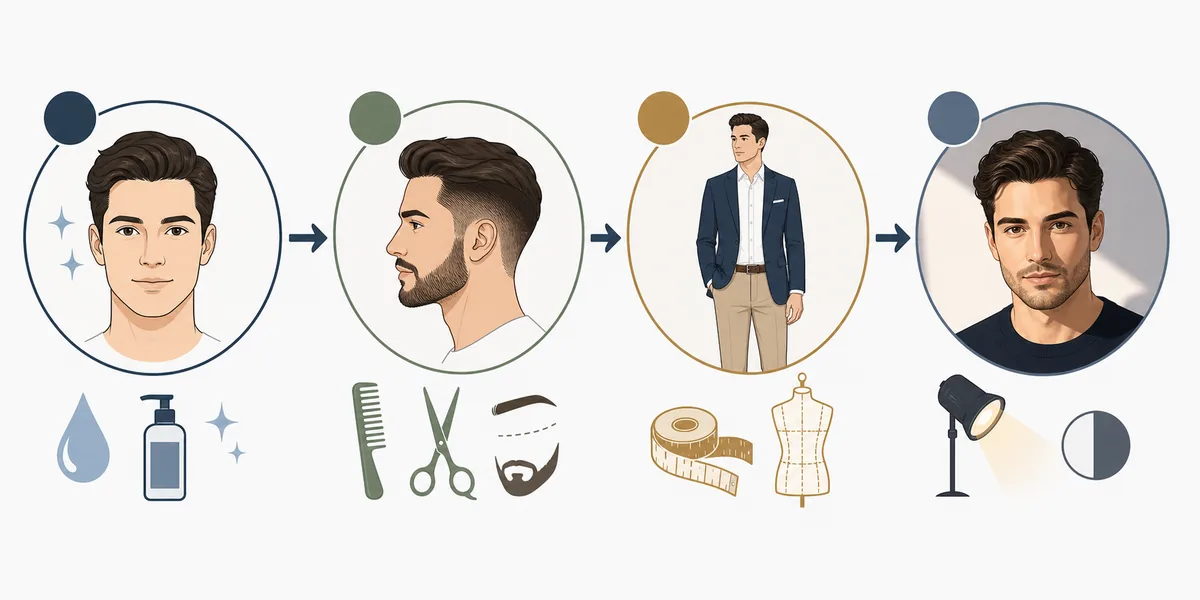
Build the looksmaxxing routine in the right order
Start with hair because it frames the face. A haircut that suits your face shape, hair density, and lifestyle can sharpen the whole impression without changing the face itself. Bring reference photos to a barber, but ask what works with your actual hairline, curl pattern, and maintenance level.
Next, clean up grooming details. Beard lines, neck hair, eyebrows, lips, nails, and clothes that are lint-free can make a person look more intentional. The goal is not perfection; it is reducing avoidable distractions so your face and expression are easier to read.
Then simplify skin care. For many people, a gentle cleanser, moisturizer, and broad-spectrum sunscreen are enough to start. If acne, irritation, scarring, or sudden skin changes are significant, a dermatologist is a better source than anonymous forums.
After that, work on body and posture habits. Strength training, walking, sleep, and better nutrition can improve energy and stance over time. Treat these as health habits first. Appearance benefits are a side effect, not the only reason to do them.
| Priority | Why it comes first | How to test it |
|---|---|---|
| Haircut and grooming | High visibility, low risk, easy to change. | Compare photos before and after a tidy cut or beard shape. |
| Photo setup | Often changes ratings immediately. | Retake the same portrait in soft light at natural distance. |
| Clothing fit | Changes body proportions and perceived polish. | Check shoulder seams, waist fit, shoe condition, and color contrast. |
| Skin basics | Improves surface presentation over time. | Keep the routine simple and track irritation. |
| Fitness and posture | Supports health, stance, and confidence gradually. | Measure consistency over months, not days. |
What to fix first: the high-return checklist
The mistake many beginners make is starting with the hardest or most emotional feature. A better approach is to rank changes by cost, risk, reversibility, and visibility. Low-risk visible changes should come before anything permanent.
If you can only do three things this month, choose a haircut tune-up, a better photo setup, and one clothing fit improvement. These are easy to test. Take a baseline photo, make the change, then take another photo under the same light and distance.
Skincare and fitness take longer. Give them a fair window instead of switching products or routines every few days. For skin, irritation from doing too much can be worse than doing too little. For fitness, consistency beats dramatic short bursts.
Keep notes on what actually changes your appearance. If a beard trim sharpens your jaw in photos, repeat it. If a shirt color makes your face look dull, replace it. Looksmaxxing becomes useful when it turns vague insecurity into observable presentation choices.
| Feedback type | What it may mean | Best next action |
|---|---|---|
| Hair or beard note | The face frame may be hiding structure or creating imbalance. | Ask a barber for a shape that fits your hair and face. |
| Skin note | Lighting, dryness, irritation, or texture may be affecting first impression. | Simplify routine and use professional help for persistent concerns. |
| Symmetry note | Head tilt, lens angle, or real asymmetry may be visible. | Retake a level front-facing photo before judging. |
| Style note | Clothes may not support your proportions or contrast. | Improve fit and color before buying more items. |
| Low score loop | The tool may be feeding anxiety more than action. | Pause scoring and focus on one practical habit. |
Looksmaxxing boundaries: what not to do
Do not treat anonymous rating communities as medical, psychological, or financial advisors. They may be blunt, biased, or built around narrow ideals. Advice that involves medication, hormones, surgery, injections, extreme dieting, or mental health should come from qualified professionals, not from a comment thread.
Avoid content that makes you feel worse after every session. Useful feedback points to a next step you can test. Harmful feedback keeps you trapped in comparison, shame, or impossible standards. The line matters because looksmaxxing topics can attract people who are already sensitive about appearance.
Also avoid optimizing for one subculture at the expense of real life. A look that scores well in a narrow forum may not fit your job, dating goals, climate, budget, or personality. The best version of looksmaxxing makes your normal life easier, not smaller.
Stop-signs
- Extreme risk: The advice involves medication, surgery, or supplements without a professional.
- Obsessive checking: You retest repeatedly but do not take practical action.
- Identity labels: A score starts to feel like a fixed value judgment.
- Narrow ideals: The advice ignores your real lifestyle, culture, or personal taste.
The useful version of looksmaxxing
The best looksmaxxing plan is boring in a good way: clean grooming, consistent skin care, better sleep, basic strength, clothes that fit, and photos that show you clearly.
Use the site's attractiveness test or face rating AI after you improve the basics, but keep the output narrow. It is feedback on one image, not a complete verdict on you.
Photo quality can change your looksmaxxing feedback
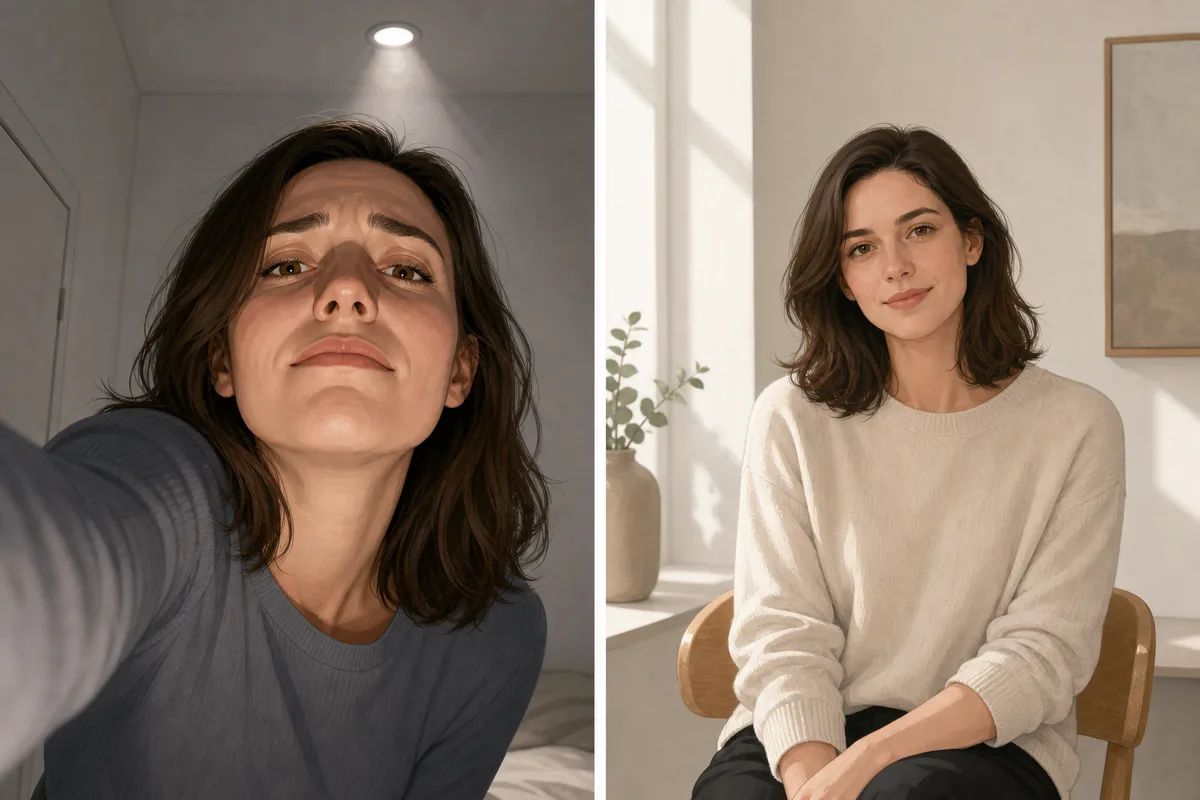
Many looksmaxxing questions are really photo questions. A close phone selfie can widen the center of the face, harsh overhead light can deepen shadows, and a tense expression can make the same person look less approachable. Before judging your features, judge the image.
Use a camera at natural distance, soft front or side-front light, and a clean background. Keep the lens around eye level and avoid extreme close-ups. Compare a neutral expression with a relaxed smile. If the rating changes a lot, the feedback is partly about photography.
This matters because AI attractiveness tests and human raters both respond to the submitted image. Better light and framing do not fake your appearance; they reduce distortion so your real features are represented more fairly.
Photo checks before reading any score
- Lens distance: Step back and crop later to reduce wide-angle distortion.
- Light direction: Use soft window light or even shade rather than harsh overhead light.
- Expression: Test neutral and relaxed smile photos instead of one tense selfie.
- Background: Keep the frame clean so attention stays on your face and style.
- Consistency: Compare photos taken under similar conditions before drawing conclusions.
How to use an attractiveness test without getting stuck
An attractiveness test can be useful if you use it as photo feedback. Upload a clear baseline image, read the notes, adjust one variable, and compare again. For example, change only the light, only the camera distance, or only the hairstyle. That makes the result easier to interpret.
Do not use a score as a permanent rank. A face rating AI can notice symmetry, proportions, lighting, and visible presentation, but it cannot measure how you move, talk, dress in real life, listen, joke, or make people feel. Those factors matter in actual attraction.
A healthy workflow is short: test, learn one practical thing, apply it, and stop. If you feel pulled into repeated checking, insults, or extreme fixes, step away from the tool and ask for grounded feedback from people you trust.
A practical testing workflow
- Baseline: Take one clear, realistic portrait with no heavy filter.
- One change: Change light, haircut, outfit, or expression one at a time.
- Retest: Use the same camera distance and crop for a fair comparison.
- Record: Write down what improved the photo, not only the score.
- Stop: Use the insight for better presentation and avoid score loops.
Frequently asked questions
Ready to test one photo after improving the basics?
Use a clear front-facing portrait first, then compare it with a second photo after one specific change. That keeps looksmaxxing practical and prevents the score from becoming the whole goal.
For broader feedback, start with the free attractiveness test or use Face Rating AI for direct photo comparison.
Sources and editorial notes
- Similarweb keyword generator review: phrase match showed how to looksmax for men, how to looksmax, and looksmaxxing guide demand; related keywords showed looks maxxing guide, looksmaxing guide, and looksmaxing methods; question keywords repeated how-to intent.
- GSC review for attractiveness-test.org found no 10-30 position opportunity query with at least 50 impressions in the last 28 days, so Similarweb was used as the primary discovery source.
- American Academy of Dermatology sunscreen guidance informed the conservative skin-care section.
- CDC adult physical activity guidance informed the basic movement and strength framing.
- The page intentionally avoids navigational intent such as looksmaxing org and avoids medical, hormone, supplement, and surgery advice.